Selling an older home in Wenonah comes with a unique challenge and opportunity. You want buyers to see the charm, not the chores. The good news is that in a town known for historic homes, tree-lined streets, and a strong single-family housing stock, thoughtful preparation often matters more than a major remodel. If you focus on condition, function, and presentation, you can help your home stand out for the right reasons. Let’s dive in.
Why older Wenonah homes need a smart approach
Wenonah has a strong historic identity. The borough was founded in 1871 as a planned suburban town, and local historic records document well over 190 older structures dating from the 1700s through 1930. That local context matters because buyers often notice original details, upkeep, and overall presentation quickly.
Wenonah is also a small housing market with 2,261 residents, 882 housing units, and a housing profile that is 93% owner-occupied and 94% single-unit. In a market like that, your home’s condition can feel especially visible. Buyers are often comparing one well-kept single-family home against another, so deferred maintenance tends to stand out.
That is why preparing an older Wenonah home is usually less about making it look brand new and more about making it feel well cared for, functional, and easy to understand. If buyers can see the craftsmanship and trust the maintenance, you are in a stronger position.
Start with repairs that affect confidence
Before you think about decor or staging, handle the issues that can slow a sale or raise red flags during inspections. Buyers can live with a dated finish more easily than they can live with uncertainty about the roof, plumbing, or moisture.
Focus first on visible defects and safety concerns. That includes water intrusion, roof issues, damaged steps, mechanical problems, electrical concerns, plumbing issues, and obvious deferred maintenance. These are the items most likely to affect buyer confidence and the smoothness of the transaction.
National resale research also supports this approach. Smaller, targeted projects often make more sense than expensive overhauls, and painting and roof replacement are among the improvements agents commonly recommend when needed to improve marketability.
Tackle these items first
- Roof leaks or missing shingles
- Signs of water intrusion or staining
- Broken railings, steps, or walkways
- Outdated or visibly unsafe electrical issues
- Plumbing leaks or poor fixture function
- HVAC or boiler problems
- Peeling paint or rotted exterior trim
- Sticky windows or damaged doors that affect use
Check permits before pre-listing work
In Wenonah, permit planning is not something to leave until the last minute. The borough directs residents to Mantua Township for construction code services tied to many project types, including home improvements, electrical work, plumbing, fencing, garages, sheds, sidewalks, and zoning-related work.
The borough also notes that Mantua Township Fire District handles Wenonah housing inspections for home sales and rentals. If your closing timeline is tight, that makes early scheduling especially important. Even straightforward pre-listing work can create delays if permits or inspections are needed and you wait too long.
If you are planning repairs, ask early whether the work needs approval. That step can help you avoid rushed decisions and last-minute surprises once your home is under contract.
Common work that may need attention early
- Electrical updates
- Plumbing repairs beyond simple cosmetic swaps
- Exterior changes such as fencing or sheds
- Sidewalk or entry repairs
- Garage-related work
- Interior renovations tied to construction codes
Preserve character instead of erasing it
One of the biggest mistakes sellers can make with an older home is trying too hard to make it feel like a new build. In Wenonah, age and architecture are part of the housing story. Buyers looking at older homes often appreciate original craftsmanship, especially when it feels clean, functional, and intentional.
That means your goal is not to strip away every older detail. It is to make those details read as quality instead of upkeep. A solid original door, hardwood floors, classic trim, built-ins, stair rails, porches, fireplaces, and period windows can all support the story of the home when they are repaired, cleaned, and presented well.
If your home is in or near a historic context, that does not automatically block updates or a sale. The New Jersey Historic Preservation Office says that listing in the New Jersey or National Registers of Historic Places does not by itself restrict a private owner from selling, renovating, altering, or demolishing a property, though local zoning still applies.
Original features worth highlighting
- Hardwood floors
- Original trim and millwork
- Built-in cabinetry or shelving
- Stair rails and newel posts
- Fireplaces
- Solid wood doors
- Covered porches
- Period window details, if functional and presentable
Improve curb appeal for a tree-lined town
Wenonah places a clear emphasis on its tree canopy and streetscape. The borough reports 30 years of Tree City USA recognition, which reflects how much the community values its visible outdoor character. For sellers, that means buyers are likely to notice the front yard and entry sequence right away.
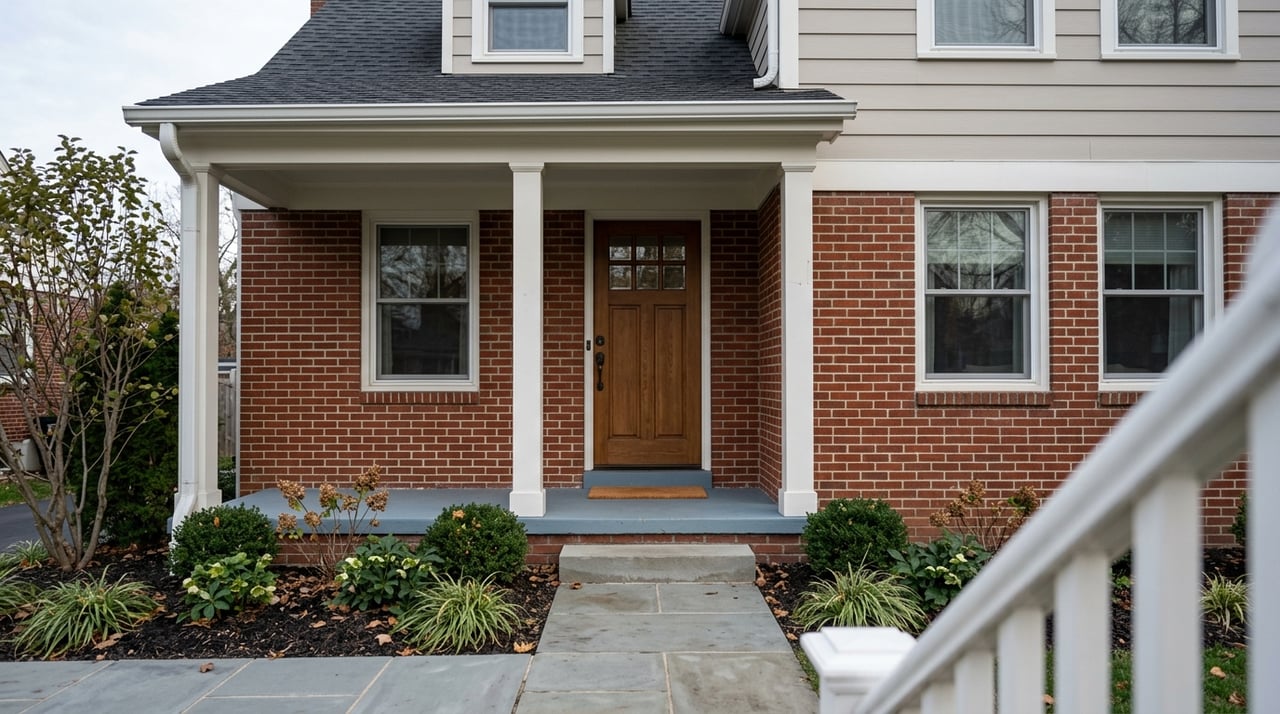
You do not need a full landscape redesign. You do need a front exterior that feels neat, maintained, and welcoming. In a setting like Wenonah, small curb appeal details can shape a buyer’s first impression before they even step inside.
Focus on clean lines and easy maintenance. Prune overgrowth, clear leaves and branches, freshen mulch if needed, edge walkways, and make sure the route to the front door feels safe and polished.
High-impact exterior improvements
- Clean up tree debris and leaf buildup
- Trim shrubs away from walkways and windows
- Repair cracked or uneven entry paths where possible
- Repaint or touch up the front door and trim
- Replace worn hardware if needed
- Make sure house numbers are visible
- Clean porch floors, railings, and light fixtures
Stage the rooms that matter most
Staging can be especially important in an older home because it helps buyers focus on space, light, and livability instead of age alone. According to the 2025 Profile of Home Staging, 29% of agents said staging their sellers’ homes produced a 1% to 10% increase in dollar value offered, and 49% of sellers’ agents saw less time on market.
The same research found that staging helps buyers picture the home as their future home. The rooms that matter most are the living room, primary bedroom, and kitchen. If your budget is limited, start there.
For an older Wenonah home, staging should support the architecture rather than compete with it. Keep furnishings scaled to the room, remove visual clutter, and let original details stay visible.
Best staging priorities
- Declutter every room
- Deep clean the whole house
- Simplify the living room layout
- Refresh bedding and lighting in the primary bedroom
- Clear kitchen counters and highlight function
- Remove bulky or dated decor that distracts from architectural details
Skip the oversized remodels
Many sellers assume they need to renovate the kitchen or bathrooms before listing. In most cases, that is not the smartest first move. NAR’s 2025 remodeling research found that several smaller projects had stronger cost recovery than major interior renovations.
Among the strongest estimated returns were a new steel front door at 100%, a closet renovation at 83%, a new fiberglass front door at 80%, new vinyl windows at 74%, and a new wood window project at 71%. By comparison, a complete kitchen renovation and a minor kitchen upgrade were both estimated at 60%, while a bathroom renovation was estimated at 50%.
That does not mean kitchens and baths never matter. It means you should be careful about putting large amounts of money into spaces that are simply dated rather than damaged. If a room functions well and shows cleanly, your dollars may go further elsewhere.
Document the work you complete
Older homes often sell better when buyers can clearly understand what has been maintained and what has been improved. If you complete pre-listing work, keep the paperwork organized. That can help buyers feel more comfortable with the home and can support smoother conversations during inspections.
A simple seller packet can go a long way. It shows that the home was cared for thoughtfully, especially when original features are part of the value.
Useful documents to gather
- A short repair list with dates completed
- Permit records, if applicable
- Inspection records, if applicable
- Contractor estimates and invoices
- Receipts for materials or replacements
- Before-and-after photos for major fixes
- Service records for major systems if available
Why local, construction-aware guidance helps
Preparing an older home for sale often comes down to sequencing. You need to decide what to fix, what to leave alone, what may need permits, and how to present the final product in photos and showings. That is where construction-aware guidance can make a real difference.
NAR notes that real estate professionals often help sellers prioritize remodeling decisions and guide them toward smaller, high-impact updates rather than expensive overbuilds. For a Wenonah property with age and character, that kind of planning can help you protect both your budget and your home’s identity.
The right strategy is usually not about making your house look newer than it is. It is about showing buyers that the home has been respected, maintained, and prepared with care.
If you are getting ready to sell an older home and want a practical plan that balances character, repairs, and presentation, Zach French can help you make smart updates, avoid unnecessary work, and bring your home to market with confidence.
FAQs
Do I need to remodel my Wenonah kitchen or bathroom before selling?
- Usually not, unless the space is visibly damaged or functions poorly. Research on resale projects shows smaller updates often recover more cost than large remodels.
Do pre-listing repairs in Wenonah require permits?
- Many do. Wenonah directs property owners to Mantua Township for construction permits and related approvals for a wide range of home improvement projects.
Does a historic designation in Wenonah stop me from selling my home?
- No. The New Jersey Historic Preservation Office says register listing does not by itself restrict a private owner from selling or renovating a property, though local zoning still applies.
Should I remove original details to make my older Wenonah home look newer?
- Usually no. Clean, repaired original features often add appeal in an older Wenonah home and can help buyers see craftsmanship rather than age.
Which rooms should I stage before listing an older Wenonah home?
- The living room, primary bedroom, and kitchen are the top priorities based on staging research, especially if you want buyers to picture how the home lives day to day.