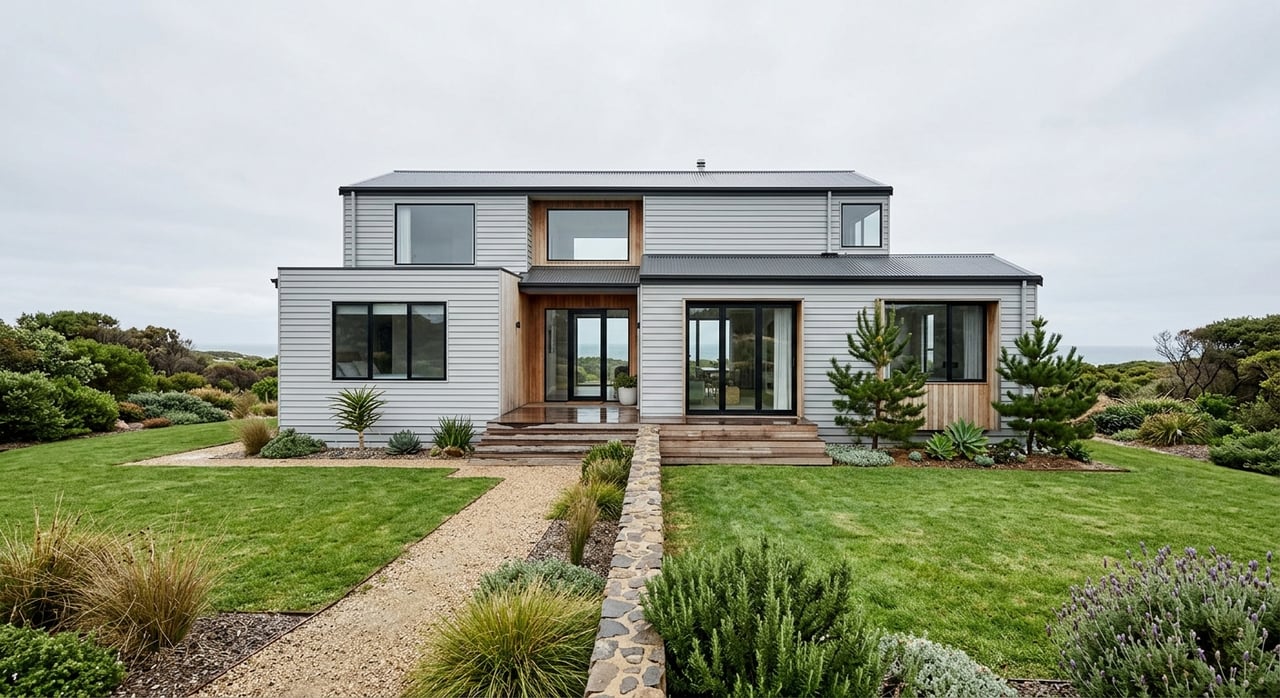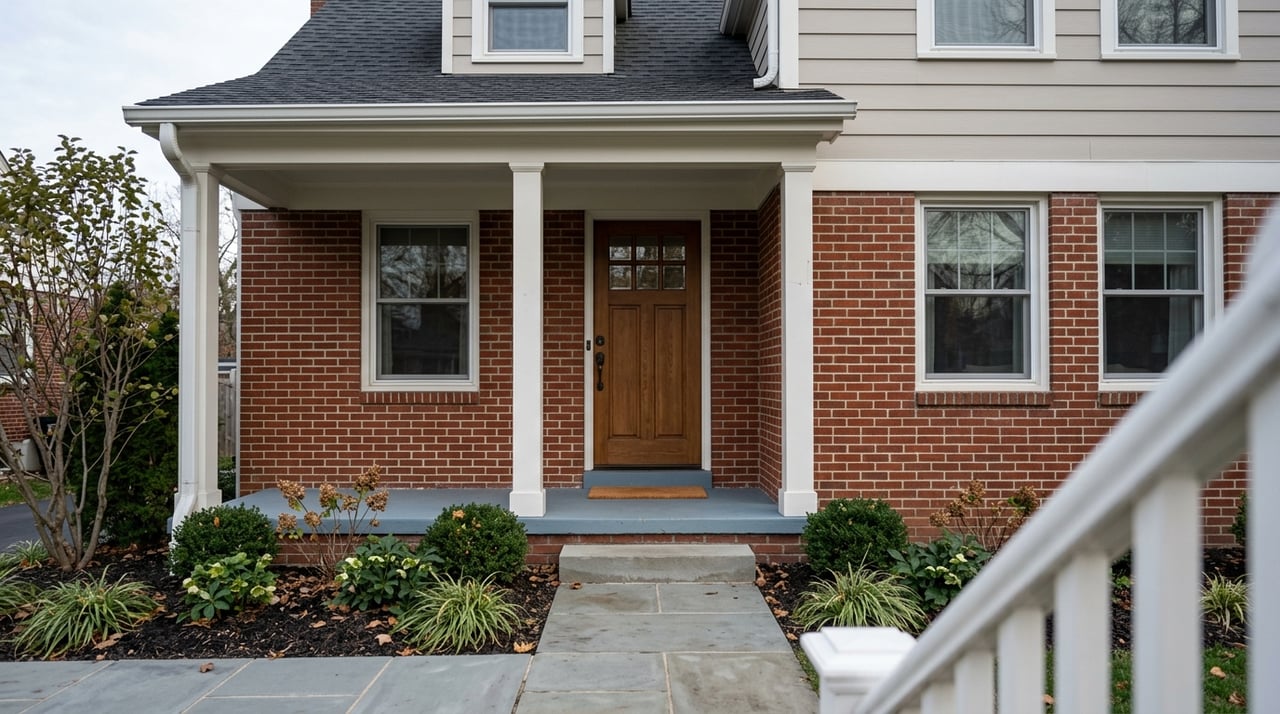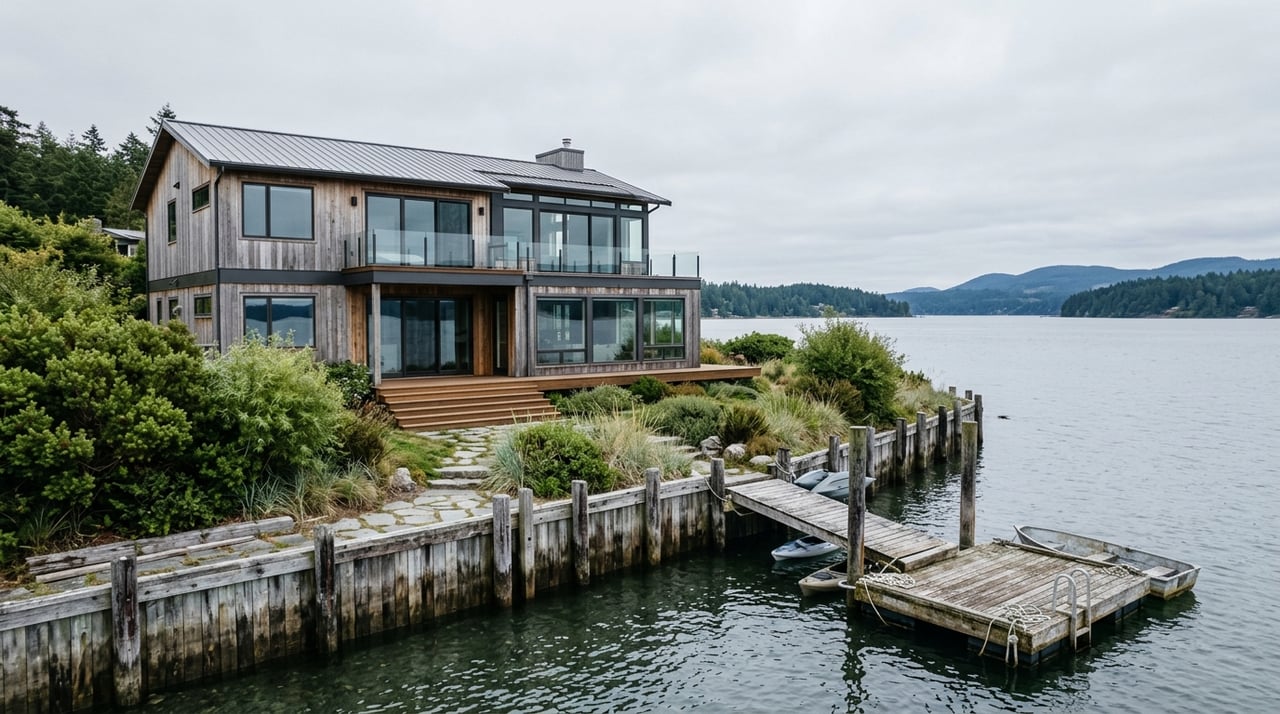
If you picture every waterfront home in Somers Point the same way, you could miss what actually makes this market work. Some properties sit right along the bayfront, some live near marinas and mixed-use blocks, and others offer a close-to-the-water lifestyle without being directly on the shoreline. If you are trying to balance boating access, convenience, renovation plans, and long-term value, understanding those differences can save you time and costly surprises. Let’s dive in.
Why Somers Point Waterfront Feels Different
Somers Point is a compact shore town with water shaping much of its edge. The city says it is bordered by Patcong Creek to the west, Great Egg Harbor Bay and Ship Channel to the south, and Steelman Bay to the east, with 3.69 miles of water frontage along Patcong Creek and the Great Egg Harbor River.
That matters because the local waterfront is not one single product type. When you tour homes here, you are really comparing several settings, including historic Bay Avenue frontage, broader bay-front mixed-use areas, marina-adjacent parcels, and residential streets that still sit close to the water.
For many buyers, that creates more options than a simple beach-block search. You may find a property with easier boating access, quick bridge access to Ocean City, or a more flexible mainland location that fits how you actually plan to use the home.
Bay Avenue Sets the Tone
Bay Avenue is the city’s main waterfront planning focus. The 2025 master-plan reexamination says the city continues to prioritize this corridor, especially from Gull Avenue to Maryland Avenue.
It is also the city’s most vulnerable waterfront area. The same report calls for continued resilience work, including bulkhead replacement, pump stations, and periodic dredging.
For you as a buyer, Bay Avenue can offer a strong waterfront feel and convenient marina access, but it also deserves extra due diligence. A pretty view is only part of the story when flood exposure, shoreline protection, and seasonal activity can shape day-to-day ownership.
Historic Waterfront Homes Have Extra Character
One of the clearest older waterfront submarkets is the Historic District. This area includes Historic Village Commercial, Historic Village Residential, and Historic Village Waterfront zones intended to preserve the bayfront and riverfront village character while allowing compatible renovation and new construction.
The housing style here is varied rather than uniform. Local design guidelines encourage forms such as cottage-type, barn-type, wraparound Victorian, fisherman cottage, modified cottage, and modified Cape Cod-like homes.
If you love older shore properties, this part of Somers Point may stand out. It can appeal to buyers who want architectural character and a more rooted waterfront setting rather than a newer, more standardized look.
Historic Review Matters
Historic charm often comes with more oversight. In the Historic District, most permit-triggering exterior changes require Historic Preservation Commission review and a certificate of appropriateness before work can move forward.
That review can apply to demolition, repainting, signs, lighting, and even excavation or ground disturbance. If you are planning improvements, you should assume the process may be more structured than it would be in a typical residential subdivision.
For buyers with restoration goals, this is where experienced guidance matters. A house that looks like a cosmetic project may involve a longer path once local review requirements are part of the equation.
Marina-Area Homes Can Offer Convenience
Somers Point also has waterfront areas where boating and marine activity play a more central role. The REC-B Marina District is designed to support integrated development with public access to adjacent waters, and allowed uses include boat repair, boat rental, boat sales, storage, launches, docks, fishing piers, and marine-related wholesaling.
That boating focus can be a real advantage if your priority is access over pure residential quiet. You may value being close to slips, ramps, service facilities, or launch points more than being on a strictly residential street.
The broader BF Bay-Front District is also mixed use. Its purpose includes preserving natural resources while encouraging a mix of residential, retail, commercial, and recreational uses, including single-family homes, attached condominiums, offices, and water-related uses.
What Mixed-Use Really Means
Some buyers are drawn to the energy of waterfront restaurants, marinas, and public activity. Others want calm, privacy, and predictable surroundings.
In Somers Point, those preferences matter because some waterfront blocks are not purely residential. The city has long encouraged parts of Bay Avenue frontage to evolve toward waterfront commercial use, so a block that looks residential at first glance may function more like a transition zone with nearby dining, retail, or marina activity.
That does not make one choice better than the other. It simply means you should tour with your lifestyle in mind and understand what the surrounding properties are designed to support.
Near-Water Homes May Offer a Smart Middle Ground
Not every strong Somers Point option sits right on the bayfront. The city’s primary residential base away from the immediate waterfront includes more conventional housing patterns, with the R-1 district generally permitting single-family homes on 7,500-square-foot lots.
There is also an R-MF district that allows garden apartments, townhouses, and two-family dwellings on larger sites. For buyers who want easier maintenance, a lower-intensity setting, or a different price point, these areas may be worth a closer look.
This can be especially useful if you want access to the water lifestyle without taking on every responsibility that comes with a shoreline parcel. You may still enjoy quick access to marinas, public ramps, and the Ocean City bridge while keeping your ownership profile simpler.
Boating Access Is a Real Advantage
Somers Point offers more than private dock scenarios. The city has two public boat ramps serving Great Egg Harbor Bay, one at Route 52 and Gull Road and one at JFK Park on Broadway.
Atlantic County also identifies a fee ramp at Smith’s Marina on Bay Avenue, and the Bay Front Historic District includes several marinas plus a crabbing and fishing pier off New Jersey Avenue. For boaters, that means access is spread across multiple points rather than tied only to dock ownership.
This is one reason Somers Point can work well as a mainland base. NJDOT notes that the Route 52 Causeway spans Great Egg Harbor Bay between Somers Point and Ocean City, giving you a practical connection between mainland living and barrier-island access.
Flood Risk Should Be an Early Filter
In a town bordered by water on three sides, flood screening should happen early, not late. Somers Point says its proximity to naturally flowed waterways makes it vulnerable to coastal flooding.
The city also recommends flood insurance for all structures in a coastal community and notes that flood damage is not covered by a standard homeowner policy. If a home is in a Special Flood Hazard Area, the city maintains elevation certificates that can help document building elevation and support floodplain compliance.
For you, the takeaway is simple. Before you fall in love with the finishes or the sunset view, ask about the flood zone, elevation profile, and any available elevation certificate.
Bulkheads, Docks, and Shoreline Structures Need Scrutiny
Waterfront value is not just about the house itself. In Somers Point, bulkheads and shoreline structures can be just as important to your long-term costs and usability.
The city’s bulkhead code says water-side work generally requires prior NJDEP approval, and bulkheads must be maintained to prevent erosion or damage to neighboring property. The city can also require repairs when a bulkhead is damaged or considered dangerous.
When you tour a waterfront property, ask direct questions about the age, condition, and permit history of any bulkhead, dock, or seawall. If boating is part of your plan, those details can affect both enjoyment and future expense.
Lot Constraints Can Affect Expansion Plans
If you are thinking about adding space, rebuilding, or changing the footprint, lot size matters. In the area bounded by Shore Road, Ocean Avenue, Bay Avenue, and Maryland Avenue, the city found that nearly half the lots were below 7,500 square feet and more than half were under the required width.
That helps explain why additions, lot coverage, and rebuild plans can be constrained in the waterfront core. A property that seems to have potential on paper may face practical zoning limits once you dig into the lot dimensions.
This is especially important for second-home buyers and investors who want to improve a property over time. Before you assume a future expansion is realistic, confirm what the site can actually support.
Seasonal Parking and Activity Can Change the Feel
Summer energy is part of the appeal, but it can also change how a block functions. The 2025 master-plan report says Bay Avenue parking becomes challenging in the high season and can spill into adjoining residential streets.
That means one of the most desirable waterfront locations can also be one of the busiest. A street that feels quiet during an off-season showing may feel very different during peak shore months.
If possible, visit at more than one time of day or ask for a realistic picture of seasonal traffic, parking, and nearby marina or restaurant activity. Lifestyle fit often comes down to those practical details.
A Smart Tour Checklist for Buyers
When you compare Somers Point waterfront and marina-area homes, a short checklist can keep your search focused:
- Which zoning district applies to the property?
- Is the parcel in the Historic District?
- Is the home in a marina-oriented or mixed-use area?
- Does the property include private dockage rights?
- If not, how close are public ramps or marina slips?
- What is the flood and elevation profile?
- What is the condition and permit history of the bulkhead, dock, or seawall?
- How does the street feel during peak season?
- Are lot size or width likely to limit additions or redevelopment?
Those questions are simple, but they can tell you a lot about how a home will live, what it may cost to maintain, and how flexible it will be in the future.
Somers Point can be a strong fit if you want a water-oriented mainland base with meaningful boating access and quick connection to Ocean City. The key is knowing whether you want historic character, marina convenience, mixed-use energy, or a nearby residential setting that keeps you close to the shoreline without putting you directly in the middle of every waterfront trade-off.
If you want help sorting through Somers Point’s waterfront options, renovation considerations, or near-water investment potential, connect with Zach French for a local, practical conversation about what fits your goals.
FAQs
What makes Somers Point waterfront homes different from a typical beach-block market?
- Somers Point offers a mix of historic waterfront homes, marina-area properties, mixed-use bayfront blocks, and nearby residential streets, so you are often comparing different ownership experiences rather than one uniform shoreline pattern.
What should you ask before buying a Somers Point marina-area home?
- Ask about zoning, nearby marine uses, dockage access, flood exposure, bulkhead or dock condition, and how the block functions during peak season.
What should buyers know about historic homes in Somers Point?
- If a property is in the Historic District, many exterior changes may require Historic Preservation Commission review and a certificate of appropriateness before permits are issued.
What should buyers know about flood risk in Somers Point?
- The city says Somers Point is vulnerable to coastal flooding, recommends flood insurance for structures in a coastal community, and maintains elevation certificates for properties in its Special Flood Hazard Area.
What boating access options do Somers Point buyers have?
- Buyers can look beyond private docks because Somers Point has public boat ramps at Route 52 and Gull Road and at JFK Park on Broadway, along with marina access in the waterfront area.
What can limit renovation plans for waterfront-core properties in Somers Point?
- Smaller lots and narrow lot widths in parts of the waterfront core can constrain additions, lot coverage, and rebuild plans, so expansion potential should be checked early.