Salt air, seagulls, and ocean breezes are why you love Ventnor. Storms and street noise are not. If you want a quieter, more comfortable shore home that is better prepared for coastal weather, impact windows are worth a close look. In this guide, you’ll learn how these windows work, what to check before you buy, expected costs, and the permitting steps in Ventnor City. Let’s dive in.
Why impact windows matter in Ventnor
Ventnor sits on Absecon Island, and the city notes that the entire community is in a flood zone. The local guidance urges you to understand your risk and consider flood insurance to protect your investment. You can review Ventnor’s flood resources on the city site and confirm your property’s zone in the FEMA Map Service Center.
- Read about Ventnor’s flood context on the city’s “What’s My Flood Hazard?” page.
- Check your property’s designation in the FEMA Flood Map Service Center.
Keeping wind and water out is critical during Nor’easters and Atlantic storms. When windows fail, interior pressure can rise and drive water inside. That is why building guidance stresses protecting glazed openings in windborne-debris regions.
How impact windows protect your home
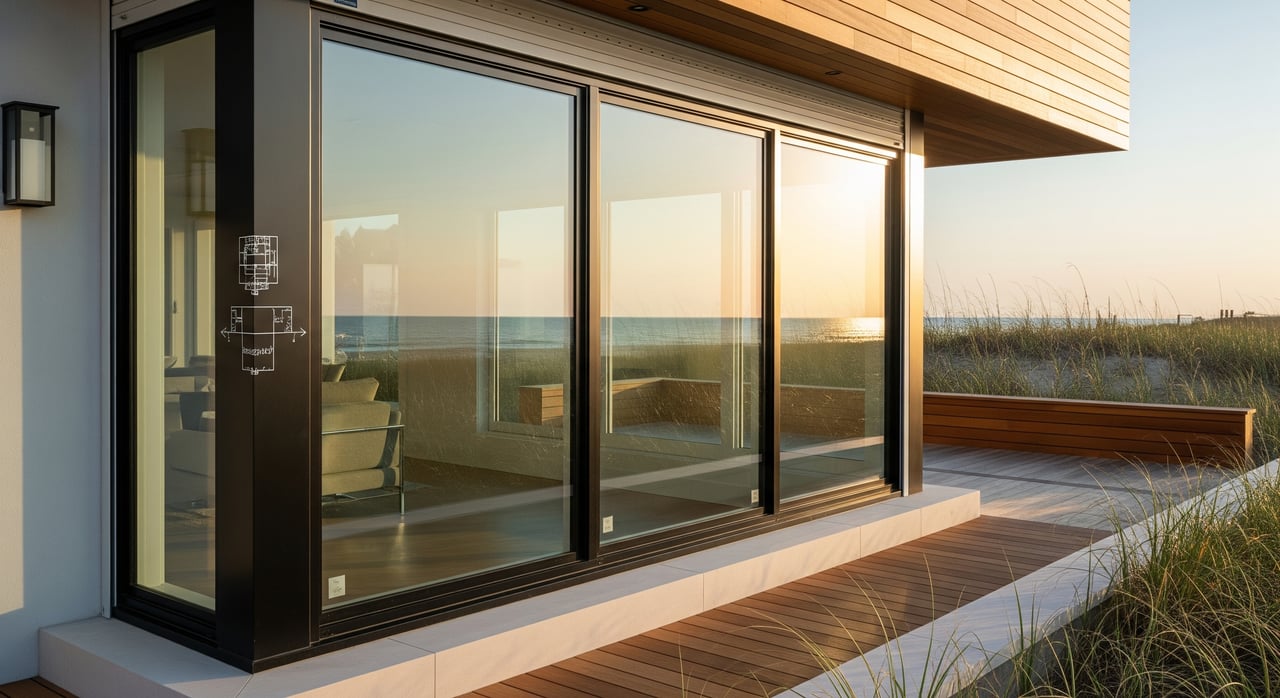
Impact windows use laminated glass bonded with a clear interlayer and reinforced frames. If struck by debris, the glass may crack, but the interlayer holds the fragments so the opening stays sealed. This helps prevent flying glass and reduces wind-driven water getting in.
Look for products tested to ASTM E1886 and E1996, which cover debris impact and cyclic wind-pressure loading. Many homeowners also look for Miami-Dade County Notices of Acceptance as a sign of rigorous hurricane-grade testing. You can confirm how a product is built and tested in the manufacturer’s impact-resistant overview.
- See the ASTM E1886 test method.
- Learn how laminated impact glazing works in this manufacturer guide.
- Review why Miami-Dade NOA approvals signal high test standards.
Everyday benefits: comfort, quiet, efficiency, security
Better comfort and energy savings. Many impact windows include insulated glass and Low‑E coatings with NFRC ratings for U‑factor and SHGC, which help manage heat gain and loss. ENERGY STAR explains how to read those labels so you can compare options.
Quieter interiors. Laminated glass and insulated units typically deliver mid‑30s STC ratings, which noticeably cut traffic and neighborhood noise. Exact performance depends on glass thickness, interlayer, airspace, and frame quality.
UV and fade reduction. Laminated interlayers and Low‑E coatings block a large share of UV, helping protect furnishings. Check the NFRC or product data for specific values.
Added security. The bonded interlayer makes it harder to force an opening, which can deter quick break-ins, though no window is burglar‑proof.
Read how ENERGY STAR and NFRC labels help you compare energy performance.
See how laminated glass improves acoustic ratings.
Learn about UV and fading differences with impact glazing.
Review an impact manufacturer’s security and performance overview.
Choose the right product for the Shore
Verify certifications and ratings
Ask for documentation that matches your exact model and window type.
- ASTM E1886/E1996 certification or test reports.
- NFRC label for U‑factor, SHGC, and visible transmittance.
- AAMA/WDMA/NAFS Performance Grade (PG) or Design Pressure (DP) suited to your exposure and building height. Your installer should explain the rating needed for your home.
- Miami‑Dade NOA or similar third‑party approvals if available.
Resources: ASTM E1886, NFRC energy label guide, PG/DP ratings overview, Miami‑Dade NOA background.
Materials that stand up to salt air
Coastal exposure accelerates corrosion. Vinyl and fiberglass frames are popular for low maintenance in salt air. Aluminum can work well if finished to coastal standards, such as an AAMA 2605 coating or Class I anodizing, and paired with stainless or marine‑grade hardware.
- Compare frame-material pros and cons for coastal homes.
- Learn what AAMA 2605 means for aluminum finishes.
Installation and water management
Even the best window can leak if installed poorly. Good coastal installs prioritize flashing, sealants, weeps, and sill design to move water away from the structure. Follow manufacturer instructions and use experienced coastal installers.
- See federal guidance on impact-rated openings and proper installation.
- Understand why following manufacturer procedures matters for performance.
Costs and value in Ventnor
Impact windows cost more than basic replacements, but they provide all‑season protection and comfort. Recent New Jersey guides put standard non‑impact window replacements roughly between 650 and 1,250 dollars per unit. Impact-rated windows often range from about 800 to 3,000 dollars or more per unit, with many Shore homes falling in the mid‑1,000s per window depending on size and options. Large picture or bay windows can exceed that range.
Key cost drivers include size and style, frame material, laminated and Low‑E glass options, coatings and hardware for salt air, access and installation complexity, and permit fees. Lifespan varies by frame and maintenance, but rinsing salt, checking seals, and lubricating hardware will extend service life.
Some New Jersey insurers recognize permanent storm protection with premium discounts. Requirements vary, and documentation is key, so contact your insurer before you buy to learn what they will accept.
- Compare NJ window replacement costs.
- See a regional impact-window cost summary.
- Learn about frame durability in salt air.
- Review an NJ insurer’s storm-protection discount categories.
Permits, timing, and documentation in Ventnor
Replacing windows typically requires a permit in Ventnor. Start with Code Enforcement to confirm requirements, inspections, and any flood-related steps for waterfront properties. If you are in a Special Flood Hazard Area, plan for additional coordination.
Before work begins, check your property’s FEMA flood zone. After installation, keep your permit sign-offs, product certifications, and installer documentation. If you plan to seek an insurance discount, ask your agent if a wind‑mitigation inspection or specific forms are needed.
- Ventnor permit and Code Enforcement guidance.
- FEMA Flood Map Service Center.
- Insurance documentation tips for impact windows and credits.
Quick Ventnor homeowner checklist
- Call your insurance agent first to confirm what products and paperwork qualify for any premium credits.
- Confirm your FEMA flood zone and speak with Ventnor Code Enforcement about permits and inspections.
- Ask bidders for ASTM E1886/E1996 test reports, NFRC labels, PG/DP ratings, installation instructions, and local coastal references.
- Decide on frame material and finishes suited to salt air. For aluminum, request AAMA 2605 coatings and stainless hardware.
- Clarify in your contract who pulls permits, the install timeline, disposal, warranty, and final inspection.
- After install, collect signed warranties, product certificates, and inspection sign‑offs, then submit documents to your insurer.
The bottom line
In Ventnor, impact windows can deliver real day‑to‑day comfort while helping protect your home during coastal storms. With the right certifications, coastal-grade materials, and a careful install, you get quieter rooms, better energy control, and year‑round peace of mind. If you want help weighing options for a renovation or pre‑list upgrade, reach out to Zach French for local, construction‑savvy guidance.
FAQs
What makes a window impact-rated and why it matters in Ventnor
- Impact-rated units use laminated glass and reinforced frames tested under ASTM E1886/E1996 to resist debris strikes and pressure cycles, which helps keep wind and water out during coastal storms.
How much do impact windows cost for a Ventnor home
- Recent guides show non‑impact replacements around 650 to 1,250 dollars per window and impact windows about 800 to 3,000 dollars or more per window, with Shore homes often in the mid‑1,000s depending on size and options.
Do I need a permit to replace windows in Ventnor City
- Yes, permits are commonly required for window replacement, and waterfront or flood-zone properties may need extra steps, so start with Ventnor Code Enforcement and follow their process.
Can impact windows lower my New Jersey home insurance premium
- Many insurers offer credits for permanent storm protection like impact glass when all openings meet their criteria, but you should confirm requirements and documentation with your agent before you buy.
Which window frames work best in salt air near the ocean
- Vinyl and fiberglass are low‑maintenance choices, while aluminum can perform well if finished to coastal standards such as AAMA 2605 and paired with stainless or marine‑grade hardware.