What if your morning started with a sunrise walk, coffee in hand, and the ocean just a few steps away? If you’re picturing a second home near the Ocean City Boardwalk, you probably feel the pull of walkable beach life and easy family fun. You also want a clear view of the tradeoffs, from parking and summer crowds to insurance and upkeep. This guide helps you picture daily life near the boardwalk and decide if this micro-market fits your goals. Let’s dive in.
What living near the boardwalk feels like
Living within walking distance of the Ocean City Boardwalk puts you in a vibrant, tourism-oriented pocket of town. You’ll find small single-family cottages, duplexes and twins, multi-unit buildings, and condos, with shops and food near the main boardwalk intersections. Many buyers are second-home families, retirees, and investors who value proximity and convenience.
You trade instant beach access for higher holding costs and seasonal activity. In return, you get easy morning routines, car-light errands, and a front-row seat to classic shore traditions.
Summer peak rhythms
From late spring through early fall, energy picks up. Expect more foot traffic, extended hours for shops and restaurants, and plenty of activity from rides, arcades, and events. Municipal services like lifeguards and parking enforcement ramp up, and trash collection can start early.
Weekends feel busiest. Mornings and evenings are prime for boardwalk runs, bike rides, or family strolls. Daytime brings fuller beaches and parking lots. If you love summer buzz, you’ll be in the heart of it.
Shoulder season and winter mood
Spring and fall bring milder crowds and a slower cadence. Many year-round businesses stay open on limited schedules, and you can still enjoy long walks and bike rides with more breathing room. Winter is quiet. Seasonal spots close, and you’ll feel the calm of an uncrowded shoreline.
Walkable daily routines
Mornings and coffee runs
You can step out for sunrise beach walks, jog the boards, or grab coffee and a breakfast sandwich without moving your car. Boardwalk shops make quick errands easy in season, and many locals fold in a bike ride or mid-day beach break.
If you plan to host guests in summer, you’ll coordinate meet-ups on foot and time beach sessions around the lifeguard schedule. Afternoons often shift toward patio time, grilling, or an early dinner as the boardwalk comes alive again in the evening.
Getting around and commuting
If you work off-island, you’ll drive to nearby employment centers or transit connections. Summer weekends can add traffic time, so plan errands early in the day. On most weekdays outside peak holidays, getting on and off the island is manageable with smart timing.
Parking, noise, and crowds
Parking basics and guest planning
Parking is a mix of metered street spaces, municipal lots, limited free street parking on some blocks, and property-specific off-street spots. Enforcement and rates typically increase in summer. Some areas may offer resident permits or stickers, which can help, but availability and rules vary by block.
On busy days, lots can hit capacity. If you expect frequent guests, plan ahead with clear instructions, timing tips, or pre-arranged lot options. Properties with dedicated off-street parking have an advantage when hosting.
Noise patterns and how to manage
Summer noise sources include rides, music, announcements, pedestrian chatter, and occasional early morning municipal collections. Noise intensity varies block by block. Properties closest to entertainment hubs feel activity most in daytime and evening, while nights can be calmer if you are set back or oriented away from the boardwalk.
To reduce impact, consider homes a few streets inland, units with upgraded windows, or buildings with better insulation. Reviewing event calendars and visiting at different times helps you gauge the real feel.
Housing types and tradeoffs
Single-family beach cottages
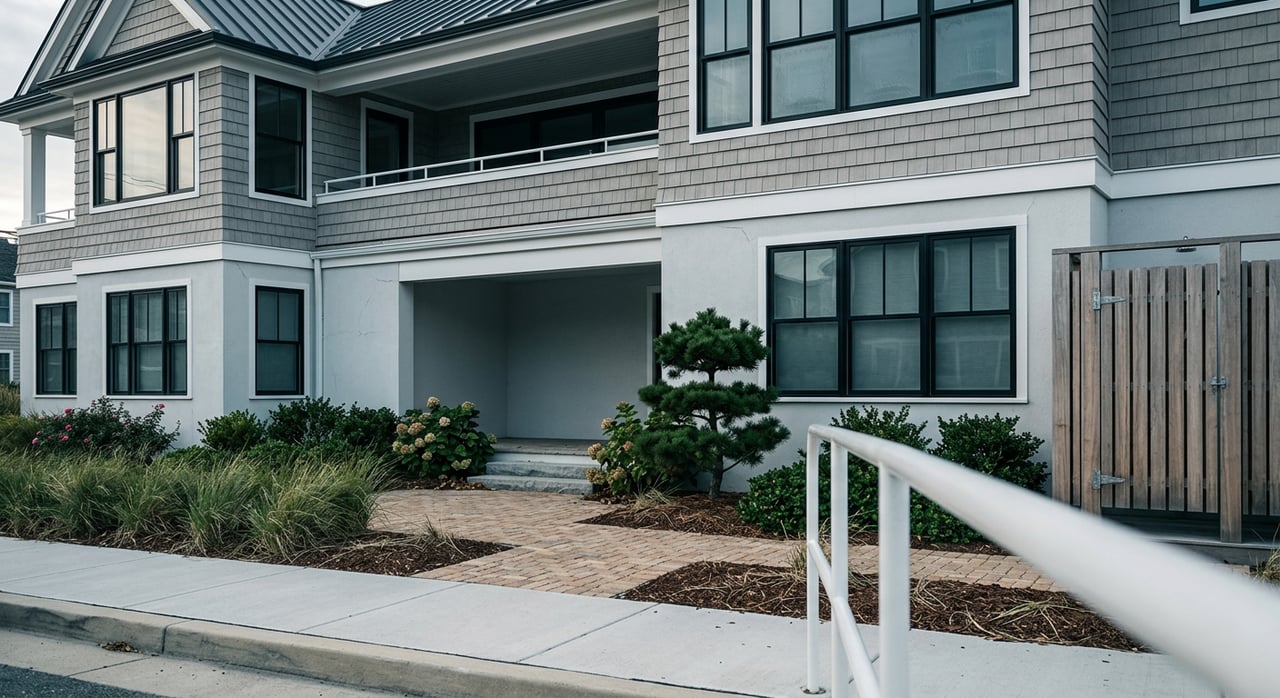
These smaller-footprint homes often deliver classic charm and easy living. Some are raised on pilings and may need ongoing coastal maintenance. You get more privacy and control, but you also handle all upkeep yourself.
Duplexes and multi-unit options
Duplexes, twins, and small multi-family buildings are common near high-demand sections. They can serve multi-generational use or help offset costs with a second unit or rental income. Pay attention to parking arrangements, sound transmission, and any shared elements.
Condos and mixed-use buildings
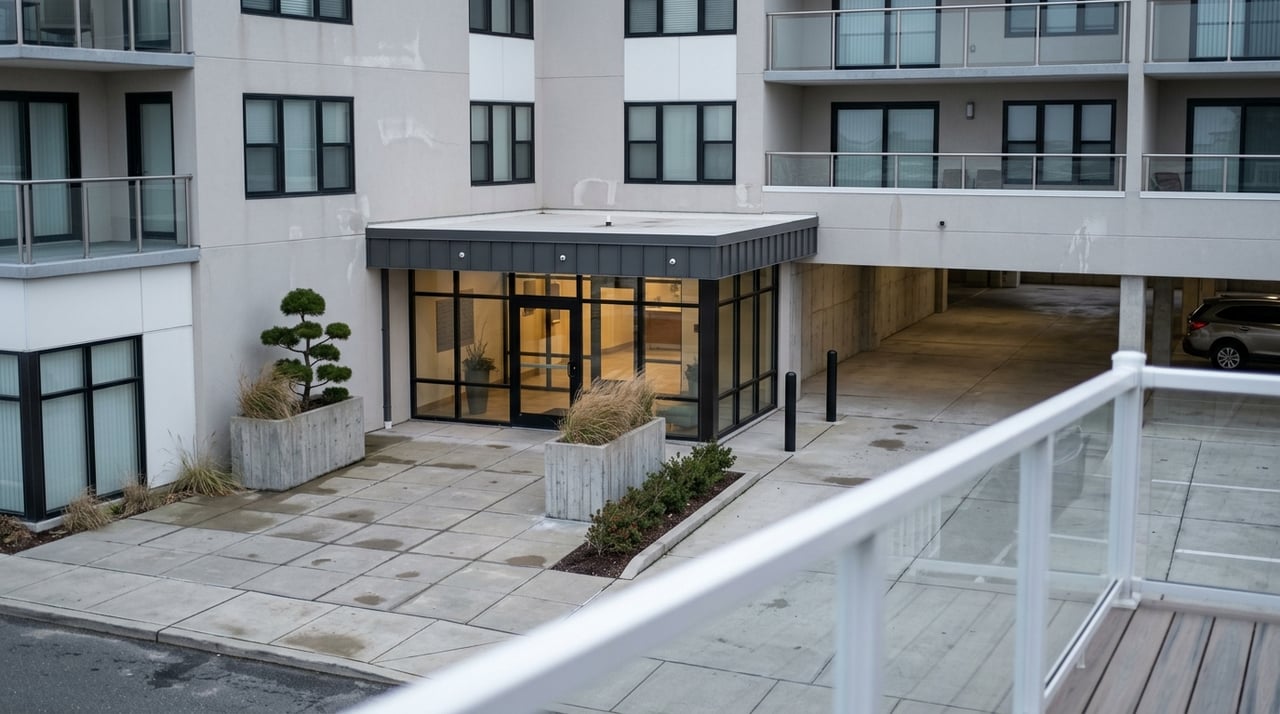
Condos reduce day-to-day chores and centralize maintenance through a homeowners association. You’ll trade added fees and rules for streamlined upkeep. Units above retail offer unmatched proximity and views in some spots, but be mindful of daytime business noise.
What drives pricing
Prices reflect proximity and views, bedroom and bathroom count, parking, elevation and flood mitigation, and condition. Direct ocean or boardwalk views command strong premiums. Properties a few blocks inland can offer meaningful savings for similar square footage. For the latest comp set, block trends, and value drivers, you’ll want current local market data.
Ongoing costs to plan for
- Property taxes. New Jersey taxes are notable, so review parcel-level records to understand your baseline.
- Insurance. Coastal homes often carry homeowners, flood, and sometimes wind or hurricane coverage. Flood premiums depend on FEMA flood zone, elevation, and claims history.
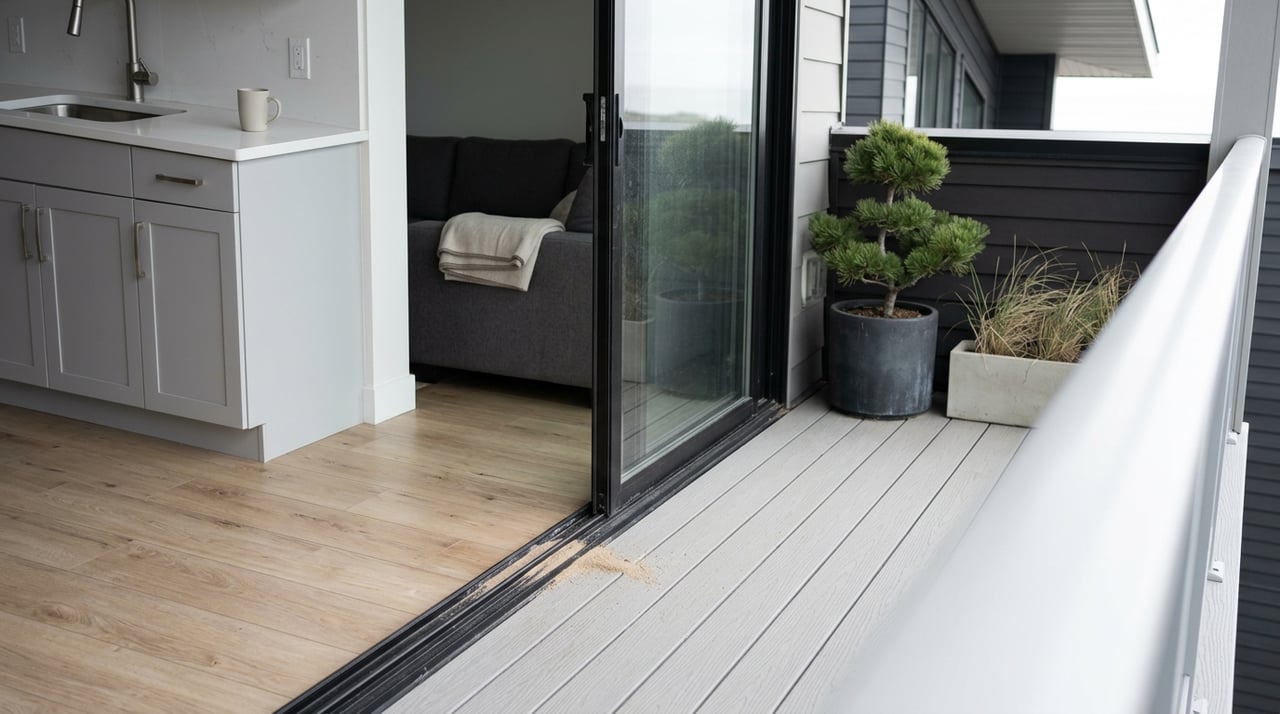
- Maintenance. Salt air accelerates wear on decks, railings, metal, and exterior finishes. HVAC cycling, roof and siding care, and seasonal shuttering can add up.
- HOA/condo fees. If applicable, budget for reserves, shared insurance, and any special assessments.
Build a realistic annual budget that matches your property type and risk profile. It helps to gather quotes and recent bills early in the process.
Rentals and rules
Weekly summer rentals are common and can offset ownership costs. Profitability depends on your occupancy, features, location, competitive set, and management approach. Local rules for short-term rentals, registration, inspections, occupancy, and taxes apply and can change.
If you plan to rent, confirm the current city requirements and any HOA restrictions before you buy. A clear rental plan, including pricing by week and shoulder season strategy, will set expectations on cash flow and usage for your family.
Coastal risk and permitting
Flooding, storm surge, and erosion are part of coastal ownership. FEMA flood maps and local elevation data drive insurance requirements and expected risk levels. Properties near the shoreline may be in higher-risk zones that require flood insurance if you carry a mortgage.
New builds and substantial renovations often require elevated foundations, wind-resistant design, and specific placement of mechanicals. Permits for decks, additions, and replacements can involve municipal and state reviews, and work near dunes or wetlands may require environmental approvals.
You can reduce premiums and risk with elevation, flood vents, and smart building choices, but those improvements add cost. Verify the details for each parcel and consult specialists before committing to construction plans.
Quick pre-purchase checklist
Use this list to focus your due diligence on homes within walking distance of the boardwalk:
- Recent comparable sales for the specific block and property type.
- FEMA flood zone, Base Flood Elevation, and property elevation documentation.
- Evidence of flood mitigation, such as pilings, vents, or elevation certificates.
- Property tax history and any special assessments.
- Recent utility and municipal service bills.
- Parking specifics: assigned spaces, resident permit availability, and guest options.
- Current rules for short-term rentals and any HOA restrictions.
- Boardwalk and city calendars for major summer events.
- Insurance quotes for homeowners, flood, and wind coverage.
- Local permitting requirements for planned renovations.
Is the boardwalk zone right for you?
If you want a car-light lifestyle with quick beach access, morning runs on the boards, and an easy path to dining and entertainment in season, this pocket of Ocean City delivers. If you prefer quiet summers, wider setbacks, and lower carrying costs, look a few blocks inland or toward areas away from the main entertainment core.
The key is fit. Match your lifestyle wish list with parcel-level facts, including parking, noise exposure, flood status, insurance estimates, and any rental or HOA rules. Seeing homes in both peak and off-peak weeks will give you the clearest picture.
Ready to test your plan, refine a budget, or compare neighborhoods on a block-by-block basis? Connect with Zach French for local guidance on value, risk, rentals, and renovation options that align with your goals.
FAQs
What is daily life like near the Ocean City Boardwalk in summer?
- Expect busy foot traffic, extended shop and restaurant hours, active rides and events, and stronger parking enforcement during peak months, with quieter mornings and later evenings away from central hubs.
How loud is it to live within a block or two of the boardwalk?
- Noise varies by block, time, and property orientation, with daytime and evening activity most noticeable in summer, and significantly quieter conditions in shoulder seasons and winter.
Will I need flood insurance for a boardwalk-area home?
- If the parcel is in a FEMA flood zone and you have a mortgage, flood insurance is typically required, and many owners choose coverage regardless given coastal proximity and risk.
How does parking work for residents and guests near the boardwalk?
- Parking is a mix of metered streets, municipal lots, limited free street spots, and property-specific spaces, so plan guest parking and timing in advance, especially on peak summer weekends.
Can I rent my place weekly during peak season?
- Many owners do, but you must follow current city licensing, inspections, occupancy rules, taxes, and any HOA restrictions, so confirm requirements before relying on rental income.
What ongoing costs should I expect as a coastal owner?
- Budget for New Jersey property taxes, homeowners and flood insurance, added coastal maintenance, and any HOA fees or special assessments that apply to your property type.