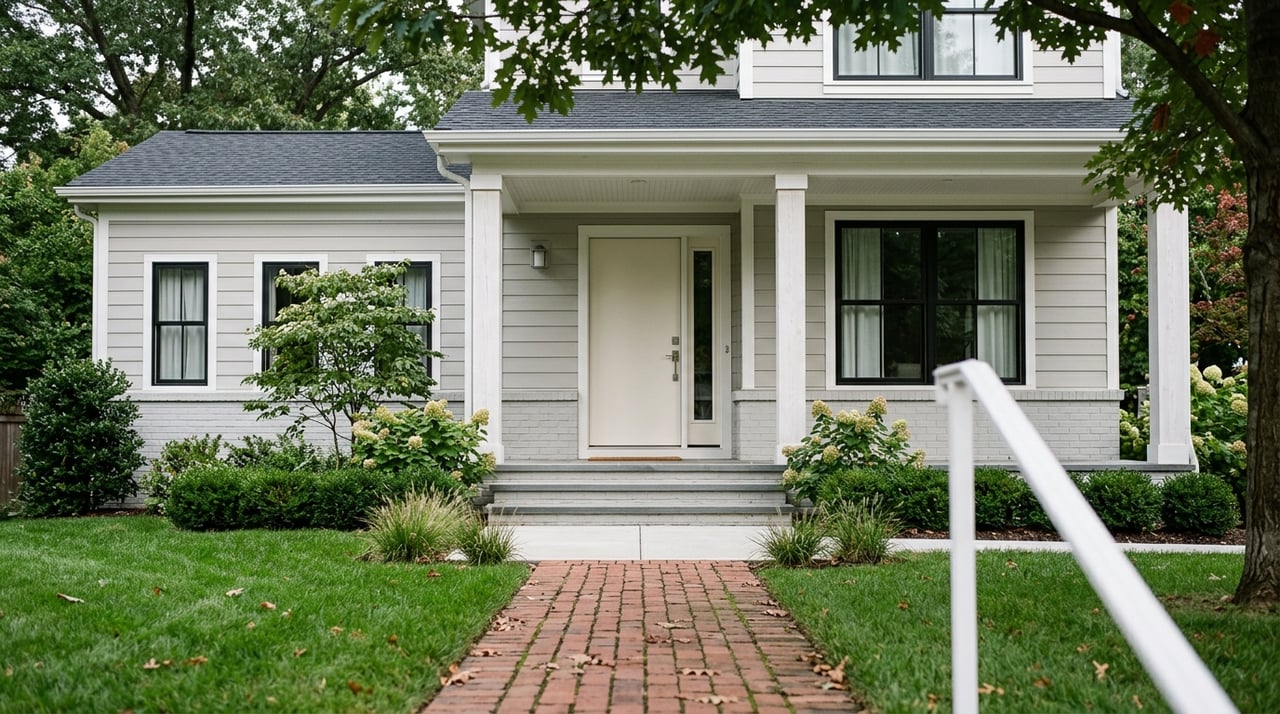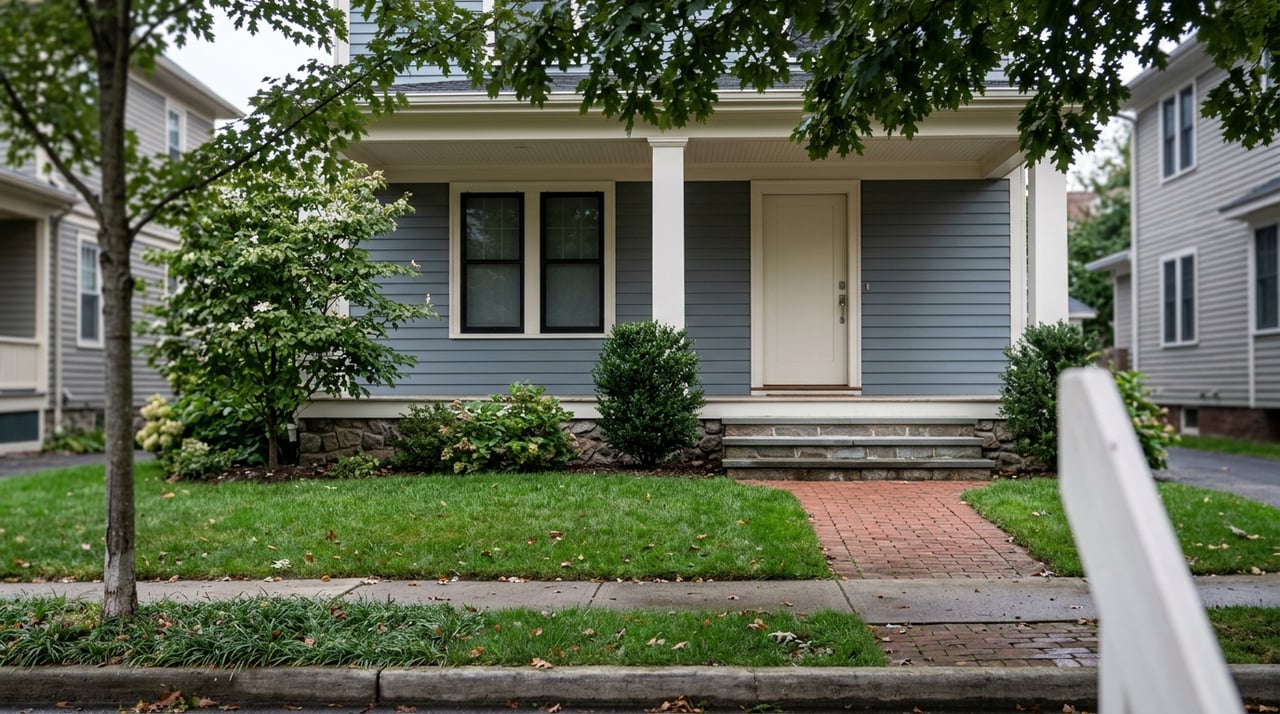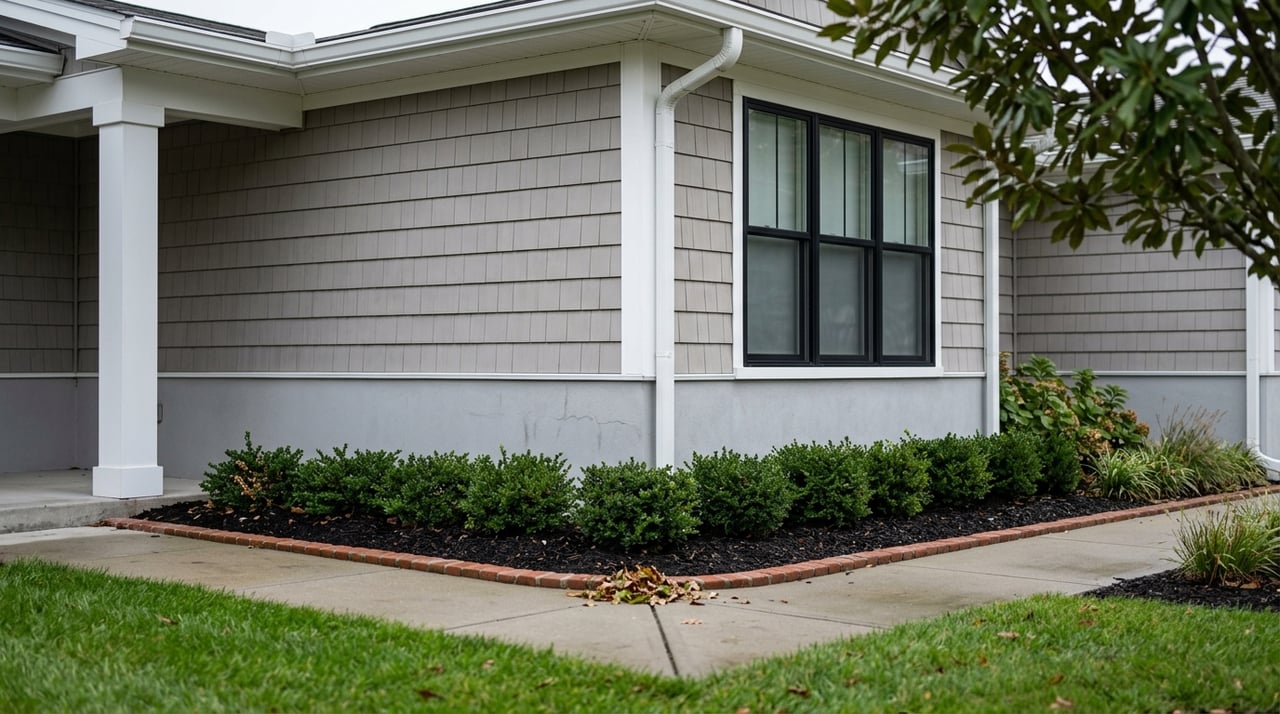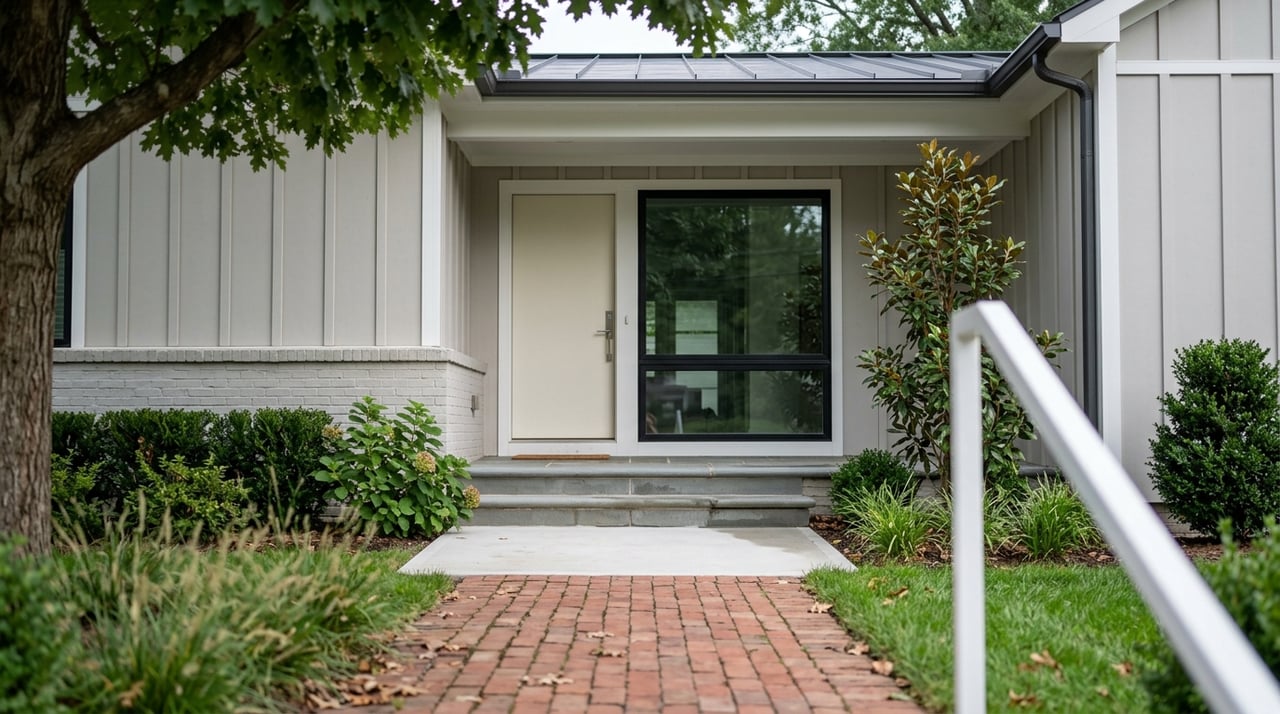
Trying to choose between a brand-new home and a resale in Egg Harbor Township? The answer is not just about whether you want shiny finishes or old-school charm. In this market, zoning, lot size, landscaping, energy performance, and renovation flexibility can all shape which option fits you best. If you want to make a smart move with fewer surprises, this guide will help you compare the tradeoffs clearly. Let’s dive in.
Why this choice matters in Egg Harbor Township
Egg Harbor Township gives you a wider mix of housing options than many buyers expect. The township’s residential zoning ranges from large-lot districts with 40,000-square-foot minimum lots to more compact districts with 5,000-square-foot minimum lots. In Pinelands RG districts, some single-family detached lots can be as small as 6,500 square feet, with even smaller formats allowed for certain attached or two-family housing types.
That matters because your decision between new construction and resale is often really a decision about how you want to live. Some buyers want a newer layout and lower immediate maintenance. Others want more land, more trees, and a property that already shows how the neighborhood feels day to day.
As broad market context, Zillow reported an average Egg Harbor Township home value of $404,664 and homes going pending in around 27 days as of March 31, 2026. New Jersey Realtors reported an Atlantic County single-family median sales price of $449,000 and 55 days on market for March 2026. Since those sources measure different things, it is best to treat them as directional context rather than a direct comparison.
New construction benefits in Egg Harbor Township
New layouts feel efficient
New construction often appeals to buyers who want spaces designed around how people live today. Production builders commonly favor open floor plans, better kitchen-to-family-room flow, laundry rooms, walk-in pantries, garage storage, full baths on the main level, and a mix of smart-home and energy-efficient features.
There is another important point here. New homes have been getting smaller on average in recent years, which means builders often focus on making each square foot work harder. In Egg Harbor Township, that can translate into homes that feel current and functional, even when the lot is smaller than what you might find in an older area.
Energy efficiency can lower future headaches
One of the biggest practical advantages of new construction is efficiency. New homes are generally easier and more cost-effective to build to current energy standards than older homes are to retrofit later. The U.S. Department of Energy says building energy codes set minimum efficiency standards for new construction and renovations, and current codes save more than 30 percent compared with codes from less than a decade ago.
For buyers in New Jersey, that matters even more because the current low-rise residential energy subcode is IECC 2021. The New Jersey Board of Public Utilities also offers rebates tied to energy-efficient new home construction, including ENERGY STAR and Zero Energy Ready Home standards. If monthly operating costs matter to you, new construction deserves a close look.
Warranties offer a repair buffer
New homes also tend to come with some level of builder warranty. Federal Trade Commission guidance says typical coverage is limited, but it often includes workmanship and materials for the first year, HVAC, plumbing, and electrical systems for two years, and some major structural defects for up to 10 years.
That does not mean a new home is risk-free. It does mean you may have more protection against early repair costs than you would with a resale purchase. If you want fewer immediate maintenance surprises in your first year of ownership, this can be a meaningful advantage.
New builds may take longer
The tradeoff with new construction is timing. In Egg Harbor Township, a zoning permit is required before a building is erected, altered, or its use changed. Building permits can be submitted only after zoning approval where applicable.
For larger land-use applications, township instructions say hearings occur within 120 days once an application is deemed complete. So if your top priority is a move-in-ready timeline, a new build may require more patience than a resale home. The uncertainty tends to sit in the approval and construction process, not in the age of the systems.
Resale home advantages in Egg Harbor Township
Resale homes may offer larger lots
Resale homes in Egg Harbor Township are more likely to sit in older residential districts with larger minimum lot sizes. Depending on district, those minimums include 40,000, 30,000, 14,000, 10,000, and 6,000 square feet.
If outdoor space matters to you, this is a major point in favor of resale. A larger lot can offer more room for privacy, planting areas, and future outdoor use, even if the home itself needs cosmetic updates.
Mature trees and established surroundings
Many buyers are drawn to resale homes because the setting already feels settled. In Egg Harbor Township, the local disturbance and tree standards help explain why. On lots over 40,000 square feet, maximum lot disturbance is 20 percent, compared with 40 percent on 20,001- to 40,000-square-foot lots, 55 percent on 10,001- to 20,000-square-foot lots, and 65 percent on lots under 10,000 square feet.
In practical terms, larger lots often have more ordinance-backed room for preserved landscaping and planting areas. That can mean more shade, more mature trees, and a more established feel. It is not a guarantee for every property, but it is an important pattern to understand as you compare options.
You can see how the property really lives
A resale home gives you something new construction cannot fully offer until it is finished: a clear picture of what already exists. You can evaluate the lot, natural light, storage, traffic flow, landscaping, and how the home sits on the site before you commit.
That visibility helps some buyers feel more confident. You are not making as many assumptions about the finished product, the construction timeline, or how the neighborhood will look once a development is complete.
Resale home tradeoffs to consider
Older systems may need updates
The biggest resale tradeoff is condition. An existing home may come with deferred maintenance, aging systems, or features that do not match current preferences. NAHB notes that older homes are often renovated to improve energy efficiency, create home office space, and enhance outdoor living.
That means many resale buyers should expect to do at least some planning for upgrades. Sometimes that work is cosmetic. Sometimes it involves roofs, HVAC, windows, electrical, or layout changes.
Renovations still require permits
If you buy a resale home with plans to improve it, make sure you understand the township process early. Egg Harbor Township’s residential zoning permit application covers additions, finished basements, attached garages, pools, fences, sheds, solar panels, and other accessory work.
The township ordinance states that no person may erect, construct, locate, or alter a building or begin or change the use of land without first obtaining a zoning permit. In other words, future improvements are not just a contractor conversation. They are also a zoning and permit conversation.
Older lots can have constraints
Some older homes sit on nonconforming improved residential lots. The township does allow some further improvement of those lots, but not in ways that increase dwelling units or make setbacks more nonconforming without approval.
If you are hoping to add square footage later, this matters. A property may be attractive as it sits today but still have limits on what you can do next. Before you buy, it helps to look beyond the house and ask what the lot allows.
How to decide which option fits you
Choose new construction if you want predictability in systems
New construction may be the better fit if you want newer mechanical systems, a current floor plan, stronger energy performance, and the comfort of a builder warranty. It also makes sense if you prefer lower immediate repair risk and like the idea of move-in-ready finishes.
The main tradeoff is that you may give up some lot size, mature landscaping, or timeline certainty. In Egg Harbor Township, that timeline can be affected by zoning approvals and construction schedules.
Choose resale if you want land and setting
Resale may be the better fit if you care most about a larger lot, existing trees, and a neighborhood that already feels established. It can also be a smart choice if you are comfortable assessing condition and budgeting for updates over time.
For some buyers, that flexibility is worth it. You may be able to get a setting that would be hard to recreate in many newer sections of the township.
Match the uncertainty to your comfort level
A simple way to think about the decision is this: new construction concentrates uncertainty in the build and approval process, while resale concentrates uncertainty in the condition of the existing house. Neither path is automatically better.
The right choice depends on what type of uncertainty you are more comfortable managing. If you would rather avoid repair surprises, new construction may feel safer. If you would rather avoid timeline surprises and see exactly what you are buying, resale may feel more comfortable.
Questions to ask before you buy
Before you decide, focus on the issues that matter most in Egg Harbor Township:
- How large is the lot, and what does that mean for outdoor use?
- How much work is the house likely to need in the first year?
- If you are considering new construction, how long could approvals and building take?
- If you are considering resale, what improvements are realistically allowed under current zoning?
- Does the property’s layout support how you want to live now, not just on paper?
These questions can save you from choosing based only on finishes or first impressions. In this township especially, lot size, tree preservation, zoning permits, and nonconforming-lot rules can materially change the value of one option versus the other.
If you are weighing new construction versus resale in Egg Harbor Township, the best move is to compare more than the home itself. You want to look at the lot, the timeline, the likely first-year costs, and the property’s long-term flexibility. If you want local guidance with a practical eye on condition, layout, and future value, connect with Zach French.
FAQs
What is the main difference between new construction and resale homes in Egg Harbor Township?
- In Egg Harbor Township, the biggest difference is often not just the age of the home. New construction usually offers modern layouts, newer systems, better energy performance, and warranty coverage, while resale homes are more likely to offer larger lots, mature landscaping, and an already established setting.
Are new construction homes in Egg Harbor Township more energy efficient?
- Generally, yes. New homes are easier to build to current energy-code standards, and New Jersey’s current low-rise residential energy subcode is IECC 2021. That can make new construction more attractive if you want better efficiency from day one.
Do resale homes in Egg Harbor Township usually have larger lots?
- Often, yes. Older residential districts in Egg Harbor Township include larger minimum lot sizes, including 40,000, 30,000, 14,000, 10,000, and 6,000 square feet depending on the zoning district.
Do you need permits to renovate a resale home in Egg Harbor Township?
- Yes, many improvements require zoning review and permits. The township’s residential zoning permit process covers work such as additions, finished basements, attached garages, pools, fences, sheds, solar panels, and other accessory improvements.
How long can new construction take in Egg Harbor Township?
- Timelines can vary, but zoning approval is required before building permits can be submitted where applicable. For larger land-use applications, township instructions say hearings occur within 120 days once the application is deemed complete, which can affect the overall timeline.
How should you choose between a new home and a resale home in Egg Harbor Township?
- Start with your priorities. If you want a newer floor plan, lower immediate repair risk, and stronger energy performance, new construction may fit better. If you want a larger lot, more established landscaping, and a property you can evaluate as-is, resale may be the stronger choice.